
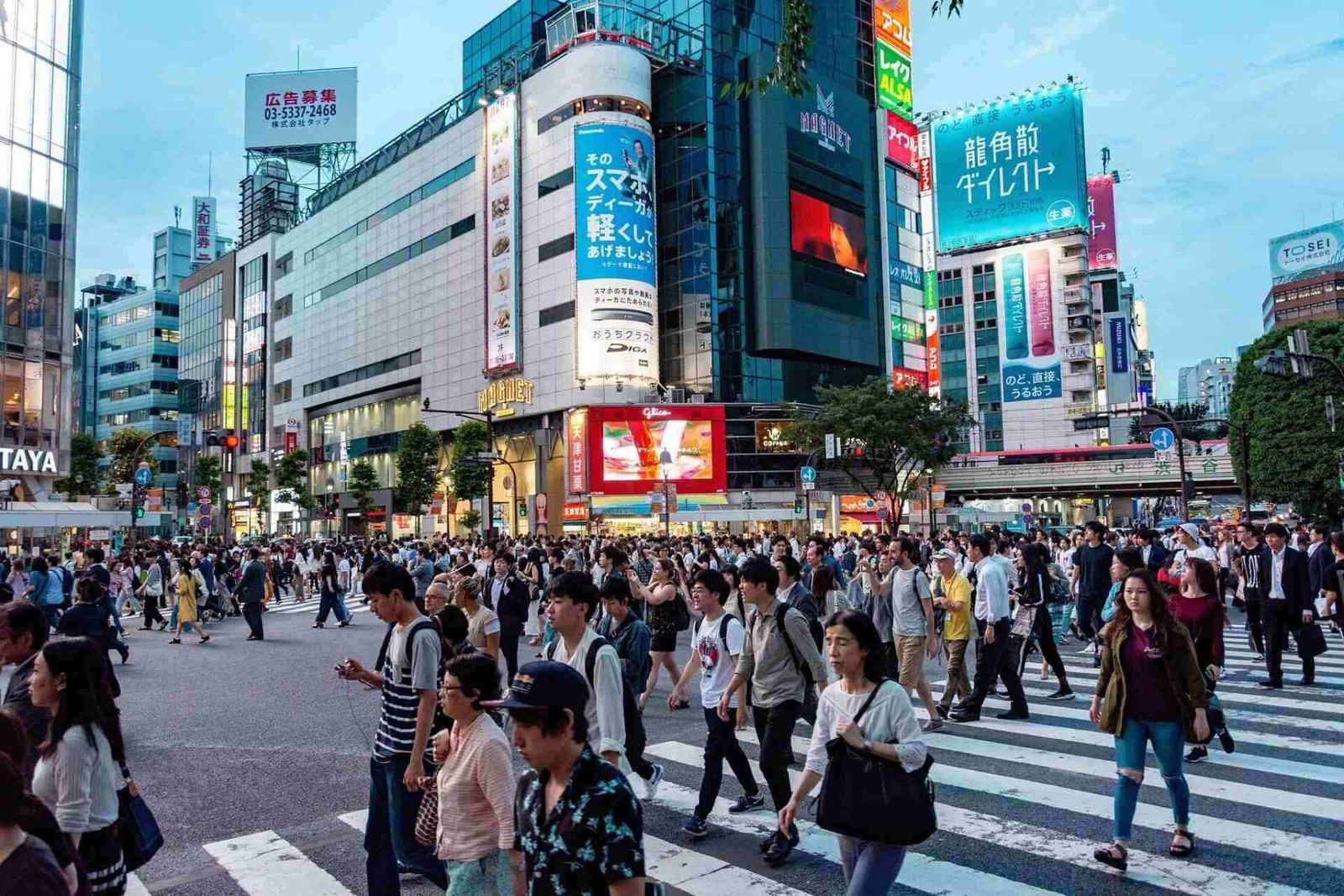
Where to stay in Tokyo for food depends less on finding one perfect neighborhood and more on choosing the food experience you want: late-night izakaya, Tsukiji seafood, high-end sushi, traditional Asakusa snacks, or easy access to everything. Each Tokyo hotel area has its own food personality, so this guide compares seven of them by restaurants, price, transit and who they suit best.
If you have not planned your meals yet, start with our What to Eat in Tokyo guide, then use this page to pick a base close to the food you want. Prices are indicative figures from public listings in 2026 and change by date, season, and room type, so always check the booking page before you pay.
Where to stay in Tokyo for food at a glance
Easiest first base
Shinjuku or Shibuya
Best for a food splurge
Ginza
Cheapest areas
Ueno, Asakusa, Ikebukuro
Mid-range double
About US$130–$220 per night
Where to stay in Tokyo for food: quick picks
| If you want… | Stay in |
|---|---|
| The easiest first visit | Shinjuku |
| Trendy dining, bars and nightlife | Shibuya |
| High-end sushi, depachika and refined restaurants | Ginza |
| Traditional Tokyo food and lower prices | Asakusa |
| Tsukiji market mornings | Tsukiji or Ginza |
| Budget accommodation | Asakusa, Ueno or Ikebukuro |
| Train travel and day trips | Tokyo Station / Marunouchi |
Shinjuku and Shibuya are commonly recommended for first-time visitors because they combine major transit access with extensive dining and nightlife. Ginza is stronger for upscale restaurants, and Asakusa is a good-value base with traditional charm.
Shinjuku: best first base for izakaya, ramen and late dinners
Shinjuku is Tokyo’s easiest all-round base. Its huge station connects multiple rail and metro lines, and the hotel choice runs from capsule hotels to luxury towers. For food, you have yakitori lanes at Omoide Yokocho, ramen shops, izakaya on almost every block and department-store food halls. Our What to Eat in Tokyo guide explains what to order in each. The east side near Kabukicho is lively late at night, while the west side (Nishi-Shinjuku) is a quieter business district, so choose by how much noise you want. Mid-range rooms here typically fall in the US$130–$220 range.

Shibuya: best for trendy restaurants and nightlife
Shibuya works well if you want casual modern dining, cafés, bars and strong transport links. Around the station you will find ramen shops, conveyor-belt sushi, Japanese curry and small drinking alleys such as Nonbei Yokocho. The food is mostly casual and contemporary rather than traditional, and the area is crowded, so rooms near the station can be small and noisy. Prices are similar to Shinjuku.
Ginza: best for sushi, tempura and food-hall dinners
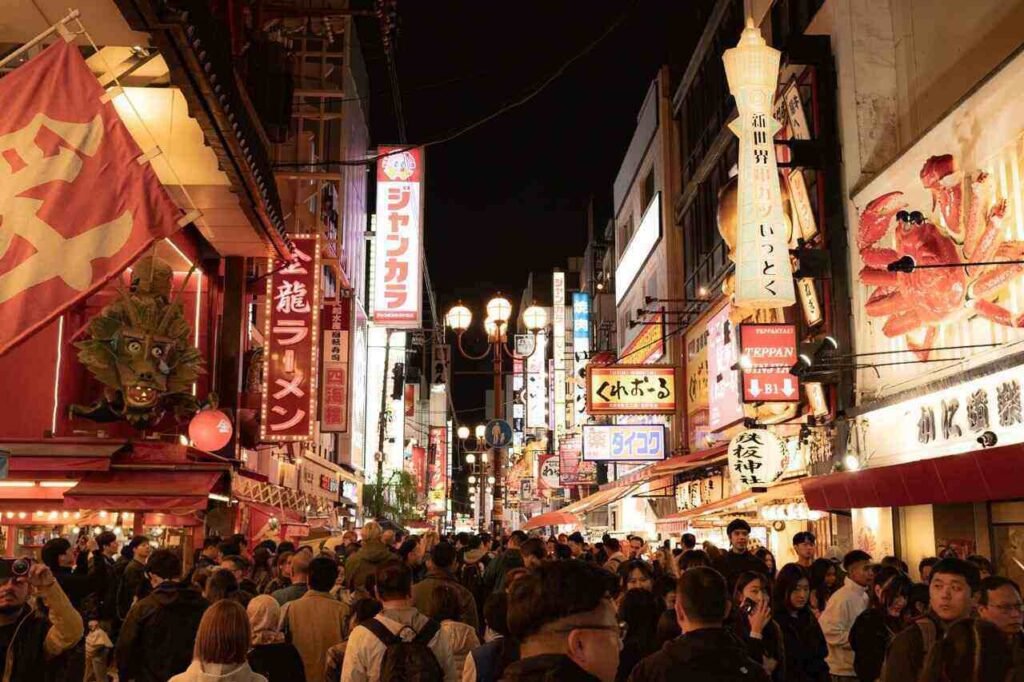
Ginza is Tokyo’s polished dining district. It puts you near acclaimed sushi counters, tempura and tonkatsu restaurants, department-store food halls (depachika) and cocktail bars. It is also close to Tsukiji Outer Market, roughly a 15–20 minute walk away, so you can combine a fine-dining dinner with a market breakfast. Hotels here are among the most expensive in the city, with the luxury tier starting around US$350 per night, though business hotels offer lower rates. Reserve popular restaurants well ahead.
Asakusa: best for traditional food and lower prices
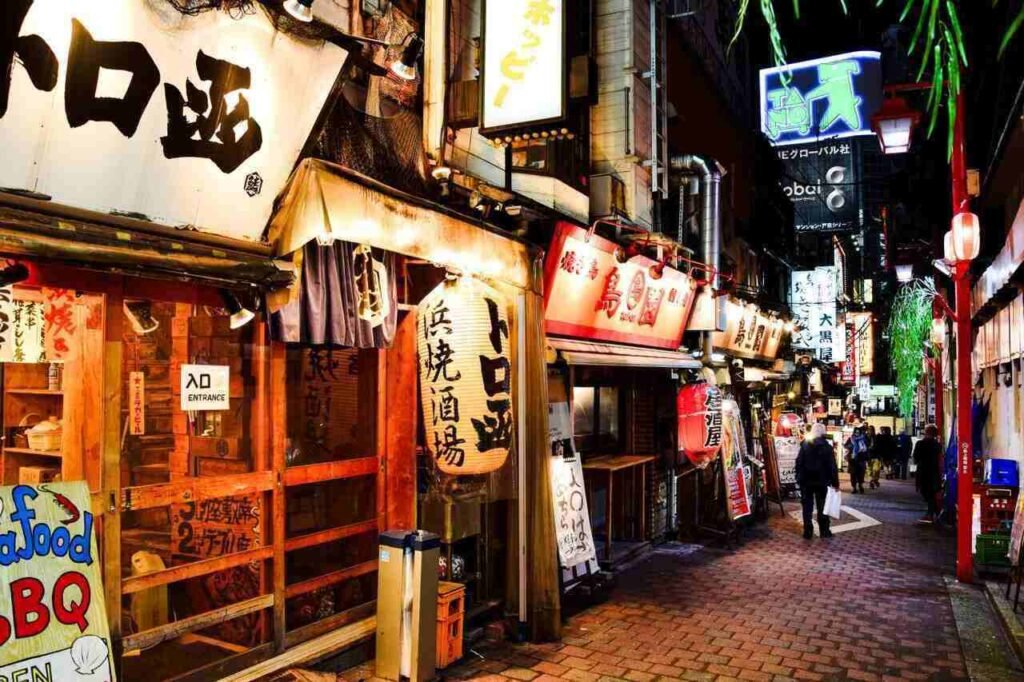
Asakusa feels like old Tokyo. It sits near Senso-ji Temple and Nakamise Street, with tempura, soba, unagi and traditional sweets such as melon pan and ningyo-yaki close by, many of which appear in our What to Eat in Tokyo guide. Hotels are generally cheaper than in Shinjuku or Shibuya. As a rough guide, budget rooms run about ¥6,000–¥10,000 and mid-range rooms about ¥14,000–¥25,000 per night. The trade-off is that the neighborhood is quieter at night and sits off the Yamanote Line, though the Ginza Line connects it to Ueno, Ginza and Shibuya.
Tsukiji: best for market mornings
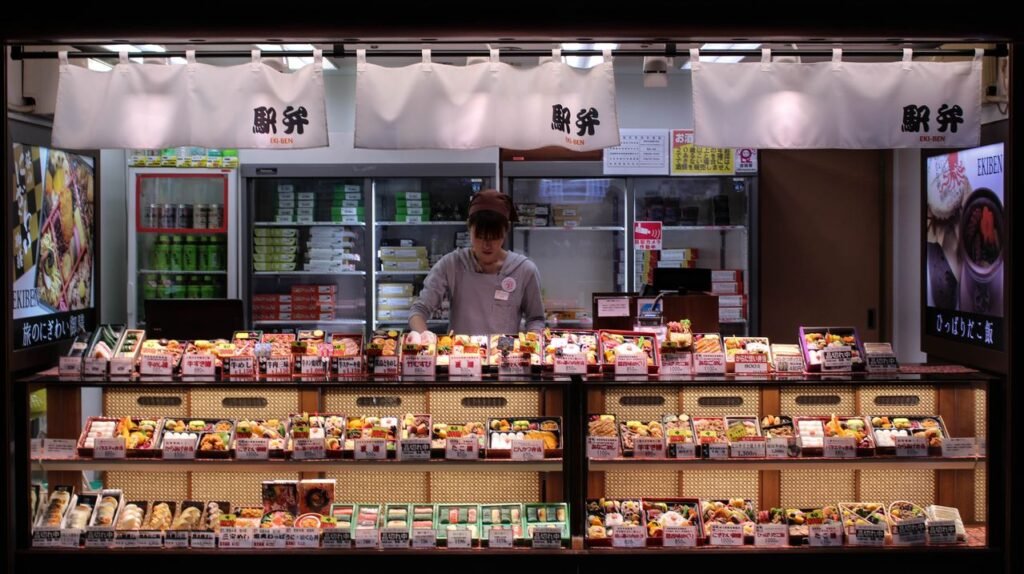
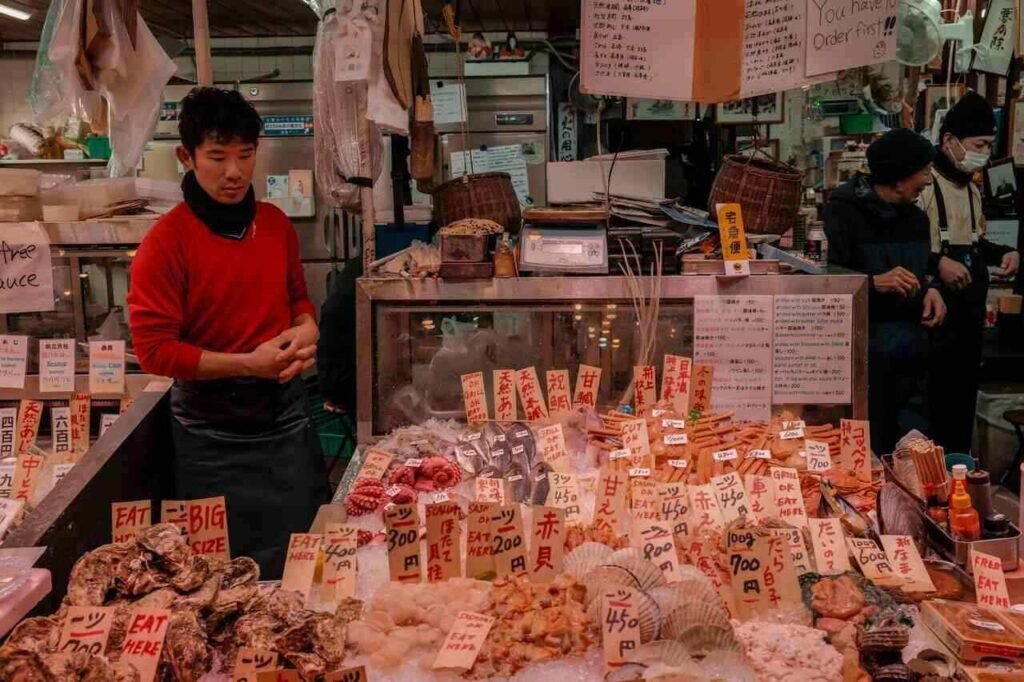
If seafood breakfasts are your priority, stay near Tsukiji or Ginza. Tsukiji Station is on the Hibiya Line, and the Outer Market is a short walk away. Public shopping hours run roughly 9:00 to 14:00, and many shops close on Sundays, national holidays and some Wednesdays, so check the official calendar before choosing your dates. Evening dining is thinner at Tsukiji itself, but Ginza is close by.
Ueno: best budget base on the Yamanote Line
Ueno is one of the cheapest areas that still sits on the Yamanote Line. It has the Ameyoko market with street snacks, casual restaurants, museums and a large park, and the Keisei line to Narita Airport starts here. Hotels are typically cheaper than in Shinjuku or Shibuya. It is a practical choice if you plan to spend more on meals than on your room.
Tokyo Station and Marunouchi: best for day trips
Choose Tokyo Station if you will take the Shinkansen or make day trips. The area has business hotels and luxury options, Tokyo Ramen Street, department-store food halls and good restaurants. Ginza is a short train ride or walk away. It is less lively at night than Shinjuku or Shibuya, but very convenient for transport.
Ikebukuro: a budget alternative
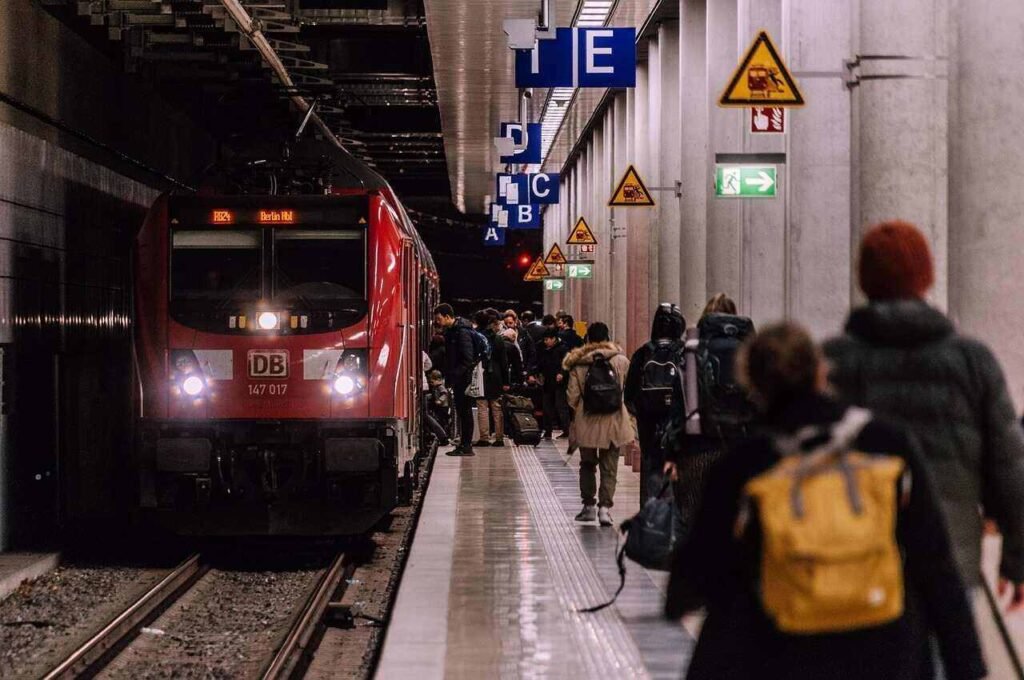
Ikebukuro sits on the Yamanote Line and usually has cheaper business hotels than Shinjuku or Shibuya. It has plenty of ramen shops, casual restaurants and department-store food halls, but fewer famous food destinations. It works as a value base if you plan to travel to the main food districts by train.
Should you split your stay between two areas?
On a trip of a week or more, two bases can work better than one. For example, you could spend a few nights in Shinjuku for izakaya and nightlife, then move to Asakusa or Ginza for traditional or upscale meals. Moving costs a half day, but it can save money and puts you close to each food style. If you do move, Japan’s luggage-forwarding services can send your bags ahead, so ask your hotel.
Tokyo neighborhoods compared
| Area | Food style | Best for | Price level | Transit |
|---|---|---|---|---|
| Shinjuku | Izakaya, ramen, yakitori | First-timers, nightlife | ¥¥–¥¥¥ | Excellent |
| Shibuya | Casual dining, bars, cafés | Trendy first visit | ¥¥–¥¥¥ | Excellent |
| Ginza | Sushi, tempura, depachika | Food-focused splurge | ¥¥¥ | Excellent |
| Asakusa | Traditional Tokyo food | Budget, culture, old Tokyo | ¥–¥¥ | Very good |
| Tsukiji | Seafood, market breakfasts | Early risers | ¥¥–¥¥¥ | Very good |
| Ueno | Street food, casual meals | Budget travelers | ¥–¥¥ | Very good |
| Tokyo Station | Ramen Street, depachika, business dining | Day trips | ¥¥–¥¥¥ | Excellent |
How much do Tokyo hotels cost?
As of August 2026, the east side of the city (Ueno, Asakusa, Ikebukuro) priced consistently below Shinjuku and Shibuya for the same hotel tier. Many Japanese hotels price per person rather than per room, so compare the two-guest total before booking.
| Tier | Typical area | Price per night (USD) |
|---|---|---|
| Hostel or capsule | Asakusa, Ueno, Shinjuku | $30–$55 |
| Budget business hotel | Ueno, Asakusa, Ikebukuro | $70–$110 |
| Mid-range hotel | Shinjuku, Shibuya, Tokyo Station | $130–$220 |
| Luxury hotel | Ginza, Marunouchi, Roppongi | $350 and up |
Tokyo accommodation tax
Through March 31, 2027, Tokyo charges no accommodation tax for rooms under ¥10,000 per person per night, ¥100 for rooms from ¥10,000 to under ¥15,000, and ¥200 for rooms of ¥15,000 or more. From April 1, 2027, Tokyo plans to switch to a 3% accommodation tax, with lower-priced rooms exempt and short-term rentals included. Check the rule for your travel dates.
Practical advice before you book
- Book early for peak periods: cherry blossom season (late March to early April), Golden Week (late April to early May) and New Year sell out and cost more.
- Check room size: Tokyo hotel rooms are often small, so look at the square meters before you book.
- Stay near a station: Choose a hotel close to a Yamanote Line or metro station rather than choosing only by price.
- Match the area to your priority: If Tsukiji is your priority, stay in Tsukiji or Ginza; if nightlife is, choose Shinjuku or Shibuya.
- Expect a quiet Asakusa night: It is excellent for traditional food and value, but quieter after dark.
- Plan the last train: Trains stop running overnight, so staying near your evening restaurants saves late-night taxi fares.
Final thoughts on where to stay in Tokyo for food
For most first-timers, Shinjuku is the easiest answer to where to stay in Tokyo for food: great transit, endless restaurants and plenty of hotel choice. Pick Ginza for a refined food trip, Asakusa or Ueno to save money, and Tokyo Station if train travel matters more than nightlife. Whichever you choose, book a room close to a station and a few meals you really want to eat.
Frequently asked questions
Where is the best place to stay in Tokyo for food?
Shinjuku is the best all-round choice for food lovers because it combines izakaya, ramen, yakitori and strong transport links. Choose Ginza for upscale dining and Asakusa for traditional food at lower prices.
Is Shinjuku or Shibuya better for food?
Shinjuku has more variety, especially for izakaya, yakitori and late-night dining. Shibuya is better for trendy, casual restaurants and cafés. Both have excellent transport.
Where should I stay for Tsukiji Outer Market?
Stay in Tsukiji or Ginza. Tsukiji Station is on the Hibiya Line, and Ginza is within walking distance. Check market closing days, which include Sundays, holidays and some Wednesdays.
Is Asakusa a good base for food?
Yes, if you like traditional food such as tempura, soba, unagi and sweets, and want lower hotel prices. It is quieter at night and sits off the Yamanote Line, so check your transfers.
How much is the accommodation tax in Tokyo?
Through March 31, 2027, it is ¥100 per person per night for rooms of ¥10,000 to under ¥15,000 and ¥200 for ¥15,000 or more. A 3% tax is planned from April 1, 2027.
More food guides
- What to Eat in Tokyo: 15 must-try dishes, prices and the best food neighborhoods.
- What to Eat in Thailand: 25 dishes by region and where to try them.
- What to Eat in Bangkok: 15 must-try dishes and the best food areas.
Last updated: November 2026. Hotel prices, taxes and opening hours change often; confirm details before you book.

Leave a Reply