

What to eat in Tokyo can feel overwhelming, because the city runs from beef bowls under ¥500 to world-class sushi counters. This guide narrows it down to 15 dishes worth prioritizing, the neighborhoods that suit each food style, and practical tips on cash, queues and ordering so you can eat well without stress.
This guide is compiled from official tourism listings, operator information and traveler reports, and the yen prices are indicative figures from autumn 2026 that change often.
What to eat in Tokyo at a glance
Start with
Conveyor sushi, ramen, one izakaya night
Typical food budget
¥3,000–¥6,000 per person per day
Carry some cash
Many ticket machines and market stalls
Tipping
None. The price you see is the price you pay
Tokyo is not only sushi and ramen. It is also tempura, yakitori, tonkatsu, soba, izakaya cooking, department-store food halls and old-fashioned sweets in Asakusa. The list below is ordered roughly from everyday staples to special-occasion meals, so you can pick by budget and mood.
What to eat in Tokyo: 15 dishes worth prioritizing
1. Sushi
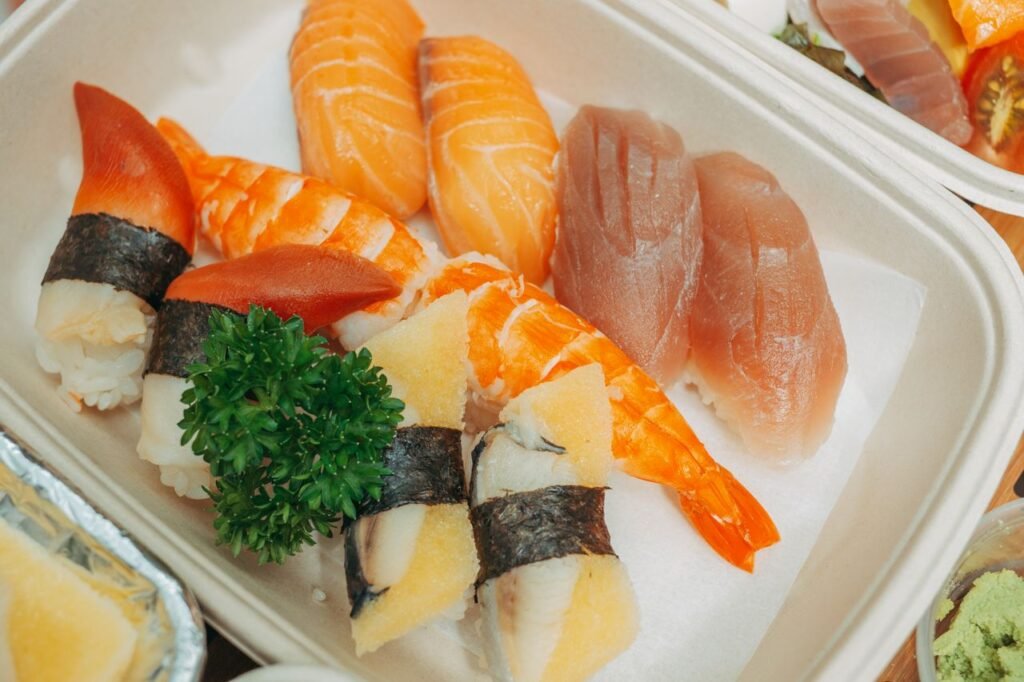
Tokyo is the home of edomae-style sushi, and you can eat it at almost any budget. Conveyor-belt chains such as Sushiro, Kura Sushi and Hama-sushi start at roughly ¥110–¥180 per plate, and most people leave full for ¥1,000–¥3,000. Standing sushi bars near train stations serve better fish for a quick lunch. A lunch omakase at a sushi counter often costs ¥3,000–¥8,000, while dinner omakase starts around ¥10,000 and climbs quickly. Popular counters book weeks or months ahead, and lunch is usually easier to get.
2. Ramen
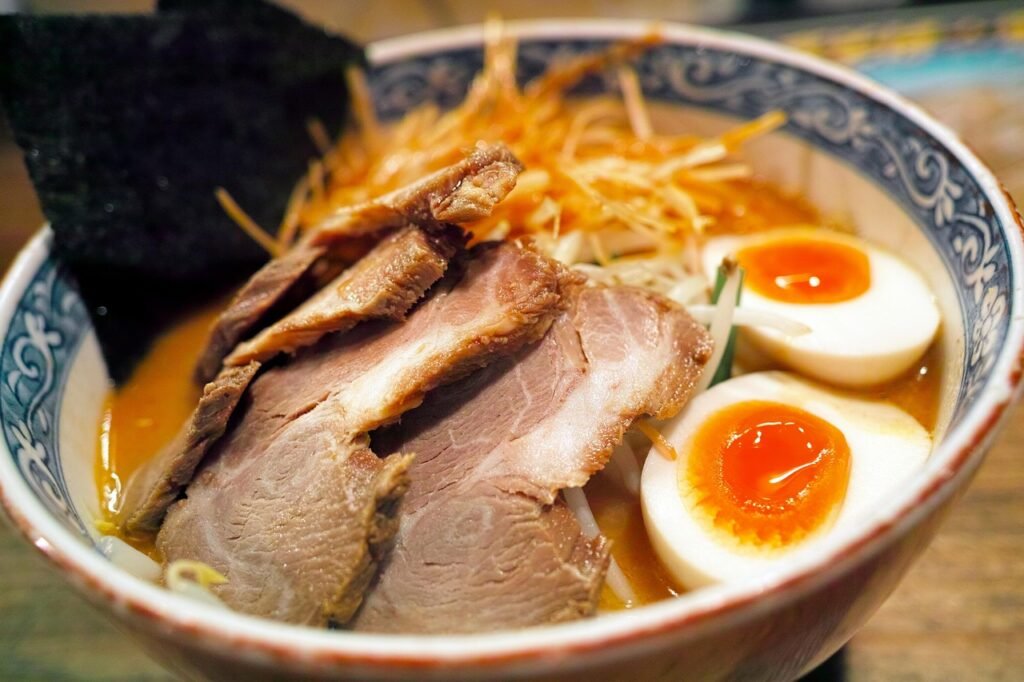
Tokyo’s classic style is shoyu ramen, a clear soy-based broth, but you will also find shio (salt), miso, tonkotsu (pork bone) and tsukemen, where thick noodles are dipped in a concentrated broth. A standard bowl in a busy area typically costs ¥900–¥1,300, a little more with an egg or extra chashu pork. Many small shops use a ticket machine by the door, and some take cash only, so keep yen notes on hand.
3. Tempura
Tempura is seafood and vegetables fried in a light, crisp batter. The easy entry point is tendon, a rice bowl topped with tempura, for about ¥1,000–¥1,500 at a chain. A sit-down lunch set at a dedicated restaurant usually costs ¥1,400–¥2,500, and counter-style dinners can cost far more. Asakusa is especially associated with traditional tempura and soba.
4. Yakitori
Grilled chicken skewers, from thigh and breast to skin and liver, are cooked over charcoal and seasoned with salt (shio) or a sweet-savory sauce (tare). Casual spots charge roughly ¥200–¥450 per skewer. For atmosphere, try Omoide Yokocho, the narrow lantern-lit lanes beside Shinjuku Station. Expect small, smoky rooms, and note that some places add a seating charge.
5. Tonkatsu
A panko-crusted pork cutlet comes with shredded cabbage, rice and miso soup. Choose hire (lean fillet) or rosu (fattier loin). Lunch sets at well-known chains usually cost ¥1,400–¥2,000, and premium black-pork cutlets cost much more. At many chains the cabbage and rice refills are free, which makes it a filling, good-value lunch.
6. Soba and udon
Soba (buckwheat noodles) is the traditional Tokyo noodle, served cold on a bamboo tray with dipping sauce or hot in broth. Udon is a thicker, chewier wheat noodle. A meal usually costs ¥900–¥2,500 depending on the shop. Slurping is normal and considered a sign you are enjoying the noodles.
7. Gyudon
This beef-and-onion rice bowl is one of the cheapest hot meals in the city. As of autumn 2026, the big chains Yoshinoya, Sukiya and Matsuya charge roughly ¥480–¥500 for a regular bowl. You order by ticket machine or tablet, and Matsuya includes miso soup with dine-in orders. It is a useful budget meal between bigger splurges.
8. Unagi
Grilled eel glazed with a sweet soy sauce is served over rice as unadon (in a bowl) or unaju (in a lacquered box). Prices vary widely: budget chains list bowls from around ¥1,000, while specialist restaurants charge considerably more, so compare the actual menu before you sit down. It is a good pick when you want a special meal that is not sushi.
9. Monjayaki
Tokyo’s own savory pancake uses a runny batter cooked on an iron griddle at your table and eaten straight from the griddle with small metal spatulas. It is closely associated with Tsukishima, where Monja Street is lined with restaurants. Many places will show first-timers how to cook it.
10. Okonomiyaki
This cabbage pancake topped with sauce, mayonnaise and bonito flakes is more associated with Osaka and Hiroshima, but it is easy to find in Tokyo, often at the same restaurants that serve monjayaki. Order both and compare.
11. Yakiniku and wagyu
Yakiniku is Japanese-style barbecue where you grill bite-size cuts at the table. Wagyu refers to Japanese beef breeds known for marbling, and it appears grilled, in sukiyaki or as steak. Lunch sets cost less than dinner, and quality wagyu is a splurge, so check prices before ordering by the cut.
12. Tamagoyaki and Tsukiji snacks
Sweet rolled omelet sold on skewers or in slices is a Tsukiji Outer Market classic, alongside grilled scallops, oysters, seafood rice bowls and wagyu skewers. A snack-hopping morning typically costs ¥1,500–¥3,000. See the market tips below before you go.
13. Japanese curry and katsu curry
Japanese curry is thick, mild and slightly sweet, served over rice. Katsu curry adds a tonkatsu cutlet on top. It is a common, easy meal at chain restaurants and department-store restaurants, and a good pick for children or anyone avoiding raw fish.
14. Takoyaki
These octopus-filled batter balls, topped with sauce, mayonnaise and bonito flakes, come from Osaka but are a popular street snack in Tokyo. Eat them while they are hot, and let them cool for a moment to avoid burning your mouth.
15. Asakusa sweets
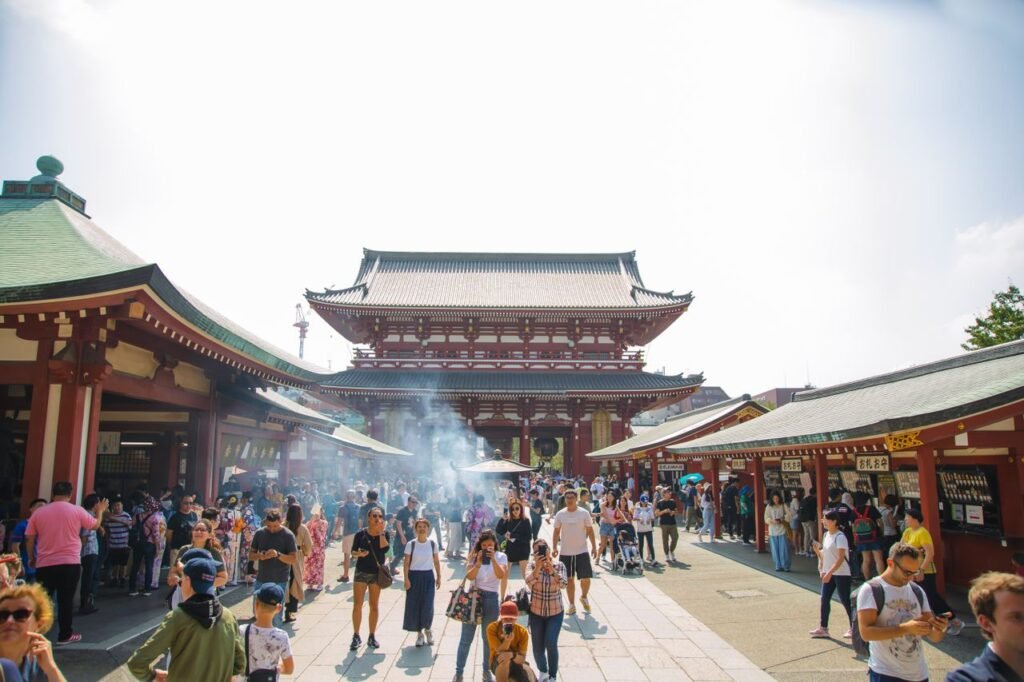
Around Senso-ji Temple’s Nakamise shopping street, look for ningyo-yaki (small sponge cakes filled with sweet bean paste), melon pan (a sweet bun with a crisp, cookie-like top) and age-manju (deep-fried bean-paste buns). Pair one with green tea for an inexpensive afternoon break.
Depachika: Tokyo’s department-store food halls
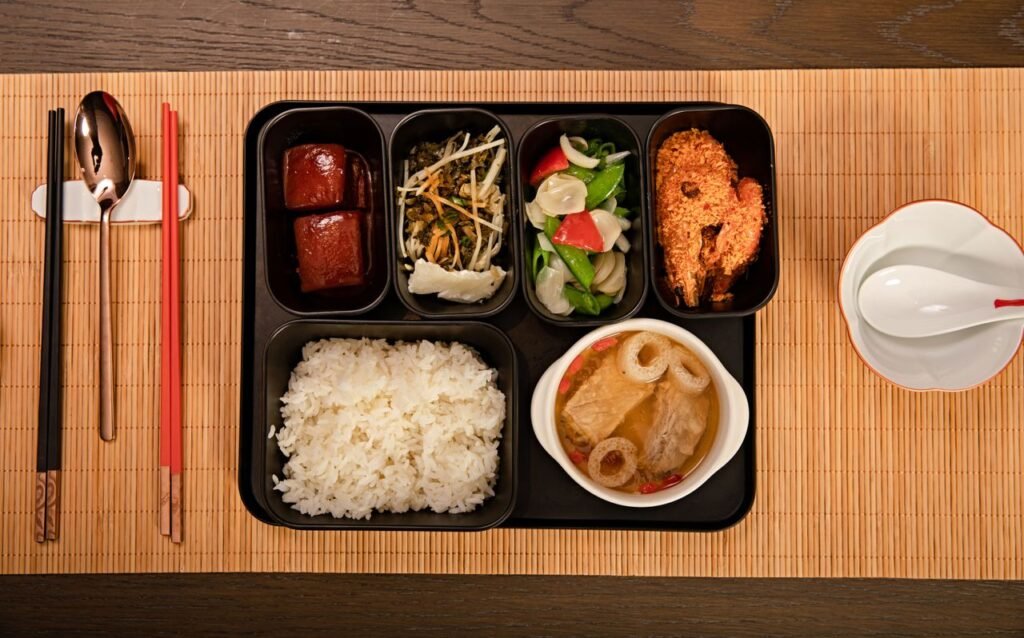
Depachika are the food floors in the basements of department stores such as Isetan, Mitsukoshi, Takashimaya and Daimaru. They sell bento boxes, sushi, tempura, Japanese sweets and regional specialties. Bento typically cost ¥600–¥2,500, with premium boxes costing more. In the last hour or two before closing, many counters discount fresh items, so a late visit can give you a restaurant-quality dinner for less. Hours and discounts vary by store, so check before you go.
Where to eat in Tokyo by neighborhood
Match the district to the craving, and you will eat better with less planning.
| Area | Best for | What to order |
|---|---|---|
| Tsukiji Outer Market | Morning seafood and market snacks | Tamagoyaki, seafood rice bowl, grilled scallops, sushi |
| Ginza | Upscale sushi, tempura and tonkatsu | Lunch omakase, tempura set, tonkatsu |
| Shinjuku | Izakaya, yakitori, ramen and late nights | Yakitori, ramen, highballs |
| Shibuya | Casual modern dining | Ramen, conveyor-belt sushi, Japanese curry |
| Asakusa | Old Tokyo flavors and sweets | Tempura, soba, unagi, melon pan, ningyo-yaki |
| Ueno / Ameyoko | Budget street snacks | Takoyaki, seafood skewers, market snacks |
| Tokyo Station / Yaesu | Quick, reliable meals | Ramen, depachika bento |
| Tsukishima | Tokyo’s own pancake | Monjayaki, okonomiyaki |
Tsukiji or Toyosu?
The old Tsukiji wholesale market, including the tuna auction, moved to Toyosu in 2018. What remains at Tsukiji is the Outer Market, a maze of retail shops, restaurants and snack stalls. Public shopping hours run roughly from 9:00 to 14:00, each shop sets its own hours, and many shops close on Sundays, national holidays and some Wednesdays, following the wholesale market calendar. Arrive by about 9:00 or 10:00 for the liveliest stalls, and check the official Tsukiji Outer Market calendar before you go.
How much does food cost in Tokyo?
Eating in Tokyo is cheaper than many first-time visitors expect. These indicative price ranges come from public listings and chain price announcements in autumn 2026, and some chains have raised prices recently.
| Meal | Typical price per person |
|---|---|
| Convenience-store meal | ¥500–¥800 |
| Regular gyudon bowl at a big chain | About ¥480–¥500 |
| Ramen bowl | ¥900–¥1,300 |
| Conveyor-belt sushi meal | ¥1,000–¥3,000 |
| Tendon or tempura lunch set | ¥1,000–¥2,500 |
| Tonkatsu lunch set | ¥1,400–¥2,000 |
| Izakaya night with drinks | ¥2,500–¥5,000, plus ¥300–¥500 cover charge |
| Sushi lunch omakase | ¥3,000–¥8,000 |
| Sushi dinner omakase | From about ¥10,000 |
One day of eating in Tokyo
- Morning: Arrive at Tsukiji Outer Market around 9:00 for tamagoyaki, a seafood bowl or grilled scallops.
- Afternoon: Head to Asakusa for tempura or soba, then walk Nakamise Street for melon pan and ningyo-yaki.
- Evening: Finish in Shinjuku with yakitori and a highball at an izakaya or in Omoide Yokocho.
Practical tips for eating in Tokyo
- Carry cash: Cards are accepted in many places, but small ramen shops, ticket machines and market stalls often prefer cash.
- Ordering: Ticket machines, tablets, picture menus and English menus are common in tourist areas.
- Tipping: Do not tip. At izakaya, expect a small cover charge (otoshi) of about ¥300–¥500 per person on the bill.
- Queues: Popular ramen and sushi shops can have long waits. Go early or at off-peak hours.
- Market manners: At Tsukiji, eat at or beside the stall rather than walking while eating.
- Reservations: Book omakase sushi and popular izakaya in advance. Ramen, conveyor sushi, tendon and depachika are usually walk-in.
- Dietary needs: Vegetarian and vegan eating is possible but needs planning. Fish-based dashi is common, and ramen broth is often pork-based. Carry an allergy or dietary card in Japanese.
Should you book a Tokyo food tour?
A guided walk through Tsukiji Outer Market or Asakusa can help if you do not want to decode menus or queue for the right stalls. Before booking, check the number of tastings, meeting point, group size and dietary options, and book early for busy seasons.
Final thoughts on what to eat in Tokyo
The best answer to what to eat in Tokyo is to mix price levels: a ¥500 beef bowl, a ramen counter, a depachika dinner and one proper sushi or tempura meal. Eat across the range rather than fixing on one tier, carry some cash, and do not worry about pointing at a picture menu. Most of the city’s best food is easy to order and easy to afford.
Frequently asked questions
What should I eat first in Tokyo?
Start with conveyor-belt sushi, a bowl of ramen, and one izakaya dinner. If you arrive early, visit Tsukiji Outer Market for tamagoyaki, seafood, and market snacks.
Is food expensive in Tokyo?
It can be, but it does not have to be. A gyudon bowl, convenience-store meal, or ramen bowl can cost around ¥500–¥1,300, while sushi omakase and premium wagyu cost much more. Mixing budget meals with one splurge is the best approach.
Do I need to tip in Tokyo restaurants?
No. Tipping is not customary in Japan. At many izakaya, however, a small cover charge called otoshi may be added to the bill.
Can I use credit cards for food in Tokyo?
Many restaurants, chains, and department stores accept cards, but small ramen shops, market stalls, and ticket-machine restaurants may be cash only. Carry some yen.
Can vegetarians eat well in Tokyo?
Yes, with planning. Fish dashi and pork broth are common even in dishes that look vegetarian, so ask in advance and look for vegetarian ramen, tempura vegetables and temple-style cuisine.
More food guides
- What to Eat in Thailand: 25 dishes by region and where to try them.
- What to Eat in Bangkok: 15 must-try dishes and the best food areas.
Last updated: November 2026. Prices, hours and closing days change often; confirm details before you go.

Leave a Reply