
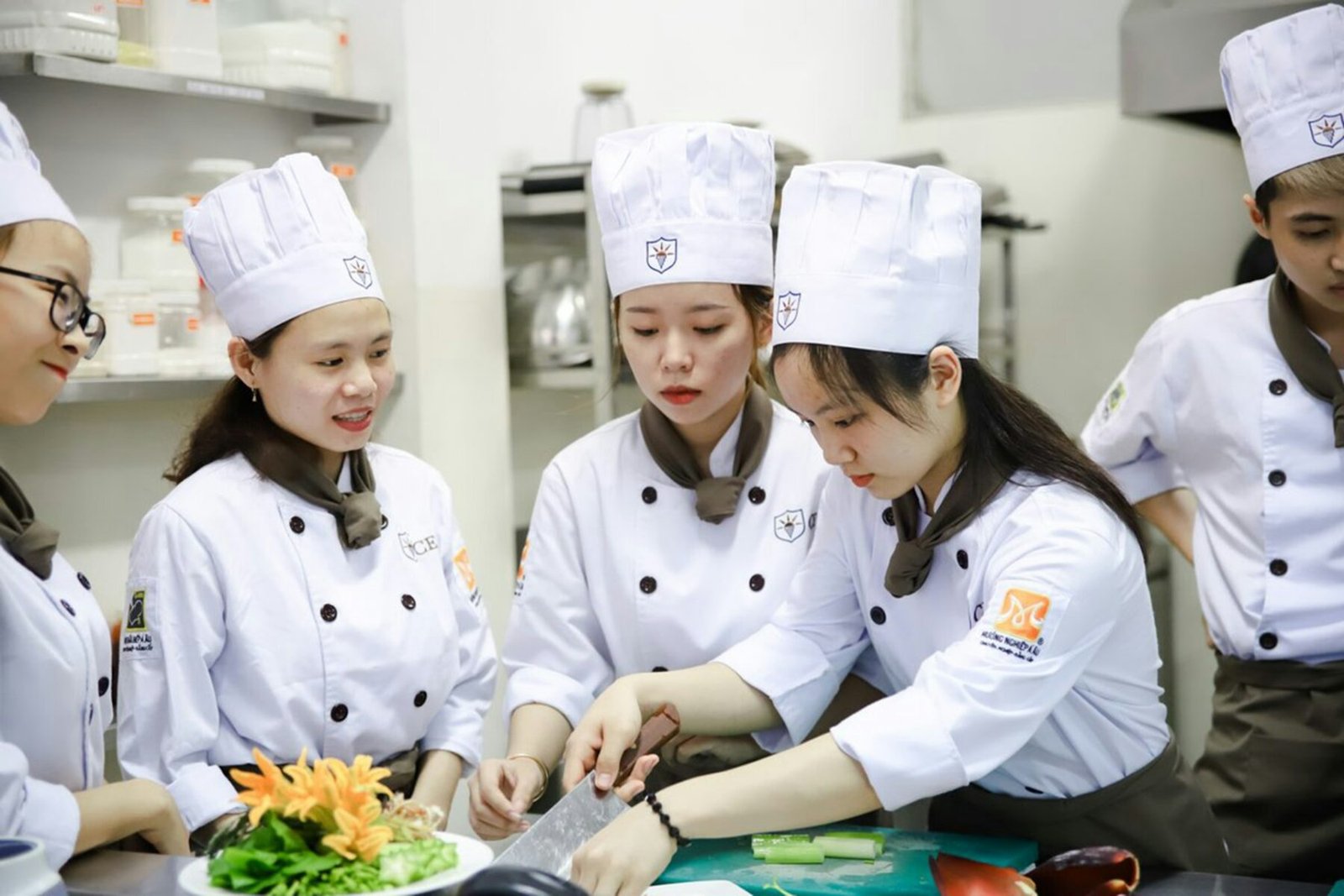
Chiang Mai cooking classes are the fastest way to understand northern Thai food beyond the restaurant table. In one morning you can walk through a market, pound curry paste in a granite mortar, and sit down to a lunch you cooked yourself. This guide compares seven well-known classes by price, group size, and focus, so you can book the one that fits your trip.
If you have read our Chiang Mai food guide, you already know the dishes worth chasing: khao soi, sai ua sausage, chili dips, and sticky rice. This guide helps you turn that list into a booking. We explain the main formats and cover what to wear, when to book, and who might want to skip a class entirely. If you are still building your trip, our 3 days in Chiang Mai itinerary shows where a class fits.
Affiliate disclosure: Some links on this page are affiliate links. If you book through them, we may earn a commission at no extra cost to you. We have not taken every class listed here; the comparison is based on publicly listed details and traveler reports, and we say so where it matters.
Chiang Mai cooking classes at a glance
Typical price
About $22–$45 per person
Class length
4–6 hours
Best season
November to February
Best for first-timers
Morning class with a market visit
Quick picks: which Chiang Mai cooking class should you book?
- Best for first-timers: a small-group morning class with a market visit and a choice of five dishes, such as Tom Yum Thai Cooking School.
- Best for vegetarians and vegans: Smile Organic Farm Cooking School, which lists menu adjustments for vegetarian, vegan, and gluten-free diets.
- Best for a short, family-friendly session: a roughly four-hour class like the Traditional Thai Cooking Class at a farm pavilion.
- Best for a deeper, home-style experience: Benny’s Home Cooking, a six-hour class in a home surrounded by gardens and rice fields.
- Best for something different: Thai Akha Cooking School, which focuses on the food of the Akha hill community rather than standard tourist dishes.
What to expect in Chiang Mai cooking classes
Formats differ, but most classes follow the same rhythm.
The market or garden visit. Morning classes usually begin with a stop at a fresh market or an organic garden. An instructor points out ingredients, explains what is in season, and lets you taste a few things. Some evening classes skip this step and go straight to the kitchen, so check before you book if the market is the part you care about.
Choosing your dishes. Most schools let you pick four or five dishes from a longer menu. A typical lineup includes a soup (tom yum or tom kha), a curry, a stir-fry or noodle dish, a starter such as spring rolls or a salad, and mango sticky rice for dessert. Many schools include khao soi on the menu, so if that is your goal, confirm it when you book.
Making curry paste from scratch. This is the part that changes how you cook at home. You pound lemongrass, galangal, chilies, and shallots by hand, and the smell alone explains why jarred paste never tastes quite the same.
Cooking at your own station. Group sizes in the classes we compared range from a maximum of 9 to a maximum of 20 people. Smaller groups usually mean more attention from the instructor, so it is worth checking the cap before you pay.
Eating, then taking the recipes home. You sit down to the meal you cooked, and most schools send you off with a recipe booklet. Hotel pickup is common but not universal, so confirm what is included.
Duration is the biggest practical difference. Half-day classes run around four to five hours, while farm and home-style classes often take about six hours including transport. The detail that surprises people most: a “half-day” class can still swallow your whole morning once pickup and the meal are counted.
Northern Thai cooking: what you will actually learn
Northern Thai food, often called Lanna cuisine, is not simply a milder version of what you eat in Bangkok. It leans on bitter, sour, and smoky flavors rather than sweetness, and it makes heavy use of grilled meats, fermented soybean (thua nao), pork, and chili dips such as nam prik noom eaten with sticky rice and raw or blanched vegetables.
Three dishes define the style. Khao soi is a curry noodle soup with crispy noodles on top; it is a coconut-based curry, so do not expect northern food to avoid coconut altogether. Sai ua is a herb-packed grilled pork sausage with lemongrass, galangal, and kaffir lime. Gaeng hang lay is a pork belly curry with Burmese influence, usually made without coconut milk and with a gentle sweet-sour balance.
Not every class teaches these. Many schools build their menu around dishes visitors already know, such as pad Thai and green curry. If northern food is your priority, ask whether khao soi or other regional dishes are on the menu. Our Chiang Mai food guide explains where to eat each of these before or after your class, and you can try the dish at home with our khao soi recipe.
Chiang Mai cooking classes compared
The table below compares seven popular classes using details published by a food-travel site that reviewed them, cross-checked against current booking listings where we could. Prices are indicative “from” prices in US dollars per person and change with date, group size, and booking platform. Treat the table as a shortlist, then confirm the current price and inclusions on the booking page.
| Class | From (USD) | Length | Max group | Start times | Best for |
|---|---|---|---|---|---|
| Smile Organic Farm Cooking School | $22.57 | ~6 hrs | 12 | 8:00 am or 3:00 pm | Vegetarian and vegan diets, outdoor setting |
| Tom Yum Thai Cooking School | $28.21 | ~5 hrs | 10 | Morning or 3:30 pm | First-timers, market visit, khao soi |
| Mama Noi (organic farm class) | $28.21 | ~4 hrs | 20 | 9:00 am or 3:30 pm | Shorter schedule, farm and market |
| Traditional Thai Cooking Class (farm pavilion) | $33.53 | ~4 hrs | 10 | 9:00 am or 4:00 pm | Families, home-style recipes |
| Thai Akha Cooking School | $37.90 | ~6 hrs | 12 | 8:30 am or 4:30 pm | Hill-community cuisine, many dishes |
| Authentic Thai Cooking Class and Farm Visit | $37.98 | ~5 hrs | 12 | 9:00 am or 5:00 pm | Farm-to-table, dietary tweaks |
| Benny’s Home Cooking | $44.86 | ~6 hrs | 9 | 8:15 am | Intimate, home-style experience |
How to read the table. The cheapest class is not automatically the best value. Smile Organic Farm costs the least but sits roughly 45 minutes outside the city, so most of your time goes to travel and the farm setting. Mama Noi allows up to 20 people, which can mean less individual attention than smaller classes such as Benny’s. Thai Akha is the odd one out: its menu is built around Akha traditions, so it will not teach you khao soi, but it offers something you cannot easily find elsewhere.
How to choose the right Chiang Mai cooking class
If it is your first Thai cooking class, pick a morning session with a market visit and a flexible menu. Tom Yum Thai Cooking School fits this profile: a small group, five dishes, and a choice of what to cook.
If you want northern Thai food specifically, filter by menu, not by price. Look for khao soi, sai ua, or a northern curry in the dish list, and email the school if the page is vague. A class that only offers pad Thai and green curry is fine, but it will not teach you what makes Chiang Mai different.
If you are vegetarian or vegan, choose a school that lists plant-based options up front. Smile Organic Farm advertises vegetarian, vegan, and gluten-free adjustments, and Benny’s and the Authentic Thai Cooking Class both mention vegetarian or diet-specific options. Tell the school when you book rather than on the day, because fish sauce, shrimp paste, and oyster sauce appear in many standard recipes.
If you are traveling with kids, a roughly four-hour class is easier to manage than a full six-hour day. Pick a smaller group where children can get hands-on help, and ask about minimum age before you book.
If you are a serious food lover, go for a farm or home-style class and give it most of a day. The extra time lets you see where ingredients grow and cook at a slower pace.
If your days are packed, look at the evening options. Several schools run late-afternoon sessions, and the evening version of some classes goes straight to cooking and finishes with dinner rather than a market visit.
What to bring and wear
- Closed-toe, comfortable shoes. Market floors are wet, and kitchens involve hot oil.
- Light, breathable clothing you do not mind staining with turmeric or chili.
- A phone or camera. The market and the finished plates are worth photographing.
- A little cash for optional market purchases or tips.
- Your dietary needs, in writing. Send allergies and restrictions when you book, not at the market.
Aprons, utensils, and ingredients are normally provided, but confirm this in the booking details.
Booking tips
- Book earlier in the cool season. The north is at its best from November to February, which is also when visitor numbers peak. Reserve ahead rather than expecting a walk-in spot, especially for small-group and home-style classes. March and April bring seasonal smoke haze, which affects air quality and views.
- Check what is included. Compare market visit, transport or hotel pickup, recipe booklet, drinks, and the number of dishes. A cheaper listing that excludes transfers can cost more in the end.
- Confirm dietary options directly. Vegetarian, vegan, gluten-free, and halal needs are handled differently from school to school. Do not assume; ask before you pay.
- Read the cancellation terms. Free cancellation windows vary by operator and platform, commonly 24 to 48 hours before the start, so check the specific listing.
- Match the time slot to your day. Choose a morning class if you want afternoons free for sightseeing, or an evening class for a relaxed dinner activity. Our 3-day Chiang Mai itinerary shows how to slot either option around temples and markets.
Who should skip a cooking class?
A class is not for everyone, and it is better to know that before you pay. If you hate cooking and only want to eat, a food tour or a long lunch at a good khao soi shop will serve you better. If you have severe allergies, a shared kitchen with peanuts, shellfish, and fish sauce on every counter may be more stress than fun, so speak to the school first. And if your trip is only one or two days long, a six-hour class may take more of your schedule than it is worth; a four-hour option or an evening session is the safer choice.
After the class: cooking northern Thai food at home
The best test of a class is whether you cook from it afterward. Start with a dish that uses the curry paste skills you just learned: our khao soi recipe is a good first project, and our pad kra pao recipe is a fast weeknight win once you have holy basil. Keep your recipe booklet, photograph the market ingredients, and note which substitutes your instructor suggested for items that are hard to find outside Thailand.
Frequently asked questions
Are Chiang Mai cooking classes worth it?
For most travelers, yes. Prices in the classes we compared start around $22 and top out near $45 per person, and that typically covers instruction, ingredients, a full meal, and a recipe booklet. You leave with skills you can use at home, which is more than a restaurant meal offers.
Do Chiang Mai cooking classes include a market tour?
Many morning classes do, but not all. Some evening sessions skip the market and begin cooking straight away. Always check the listing for “market visit” before you book.
Can vegetarians join a Thai cooking class?
Yes. Several schools offer vegetarian or vegan menus, and some advertise gluten-free adjustments. Tell the school your needs when you reserve so they can plan substitutes for fish sauce, shrimp paste, and oyster sauce.
How long do Chiang Mai cooking classes last?
Plan on about four to six hours. Shorter classes run around four hours, while farm and home-style classes typically take about six hours including transport and the meal.
Ready to book?
Pick your format first, then check dates. If you want the easiest first-timer option, choose a small-group morning class with a market visit. If you want something more personal, go for a home-style or farm class and give it most of a day. Either way, you will leave Chiang Mai knowing how its food is built, not just how it tastes.
More Chiang Mai and Thailand guides
- What to Eat in Chiang Mai: khao soi, sai ua and the best markets for northern food.
- 3 Days in Chiang Mai for Food Lovers: temples, khao soi and night markets, day by day.
- Our khao soi recipe: Chiang Mai’s curry noodles, made at home.
- What to Eat in Thailand: 25 dishes by region and where to try them.
- What to Eat in Bangkok: 15 must-try dishes and the best food areas.
Last updated: October 2026. Prices, schedules, and inclusions change often; confirm details on the booking page before you pay.

Leave a Reply