
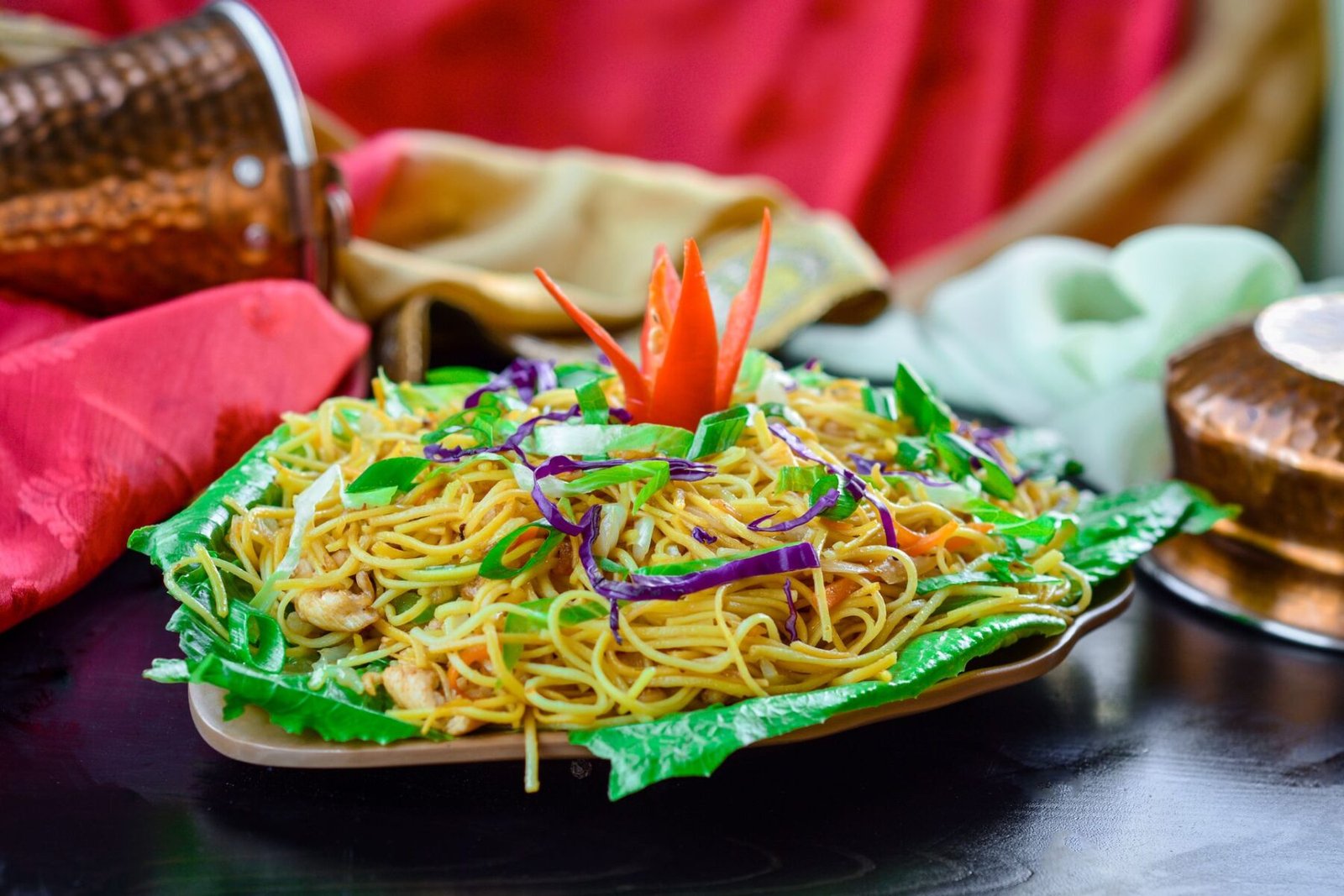
Chiang Mai food is a big reason to travel north. The city’s cooking is rooted in Lanna traditions: sticky rice, charcoal-grilled meat, herbal chili dips and rich curries shaped by Myanmar, Yunnan and the Shan hills. If Bangkok is where you meet the Thai classics, Chiang Mai is where you discover a different Thai kitchen.
Start with khao soi, then work through sai ua, nam prik noom, gaeng hang lay and khanom jeen nam ngiao. For the bigger picture, read our What to Eat in Thailand guide.
How this guide was made: it’s a researched guide built from northern Thai food sources and recent 2026 price reports. Prices are rough and change, especially in tourist areas.
Chiang Mai food at a glance
Must-try dish
Khao soi
Street bowl price
About ฿50–80
Best morning market
Warorot (Kad Luang)
Best time to visit
November to February
Quick picks
- First bowl: khao soi gai, chicken khao soi.
- Best market snack: sai ua, northern Thai herb sausage.
- Best with sticky rice: nam prik noom with vegetables and crispy pork rinds.
- Best for a richer meal: gaeng hang lay, a Burmese-style pork curry.
- Best for adventurous eaters: khanom jeen nam ngiao.
- Best late-night comfort food: khao kha moo, braised pork leg over rice.
Northern cooking generally uses less coconut milk and sugar than central Thai food, and sticky rice (khao niao) is the everyday staple.
Khao soi: Chiang Mai’s signature bowl
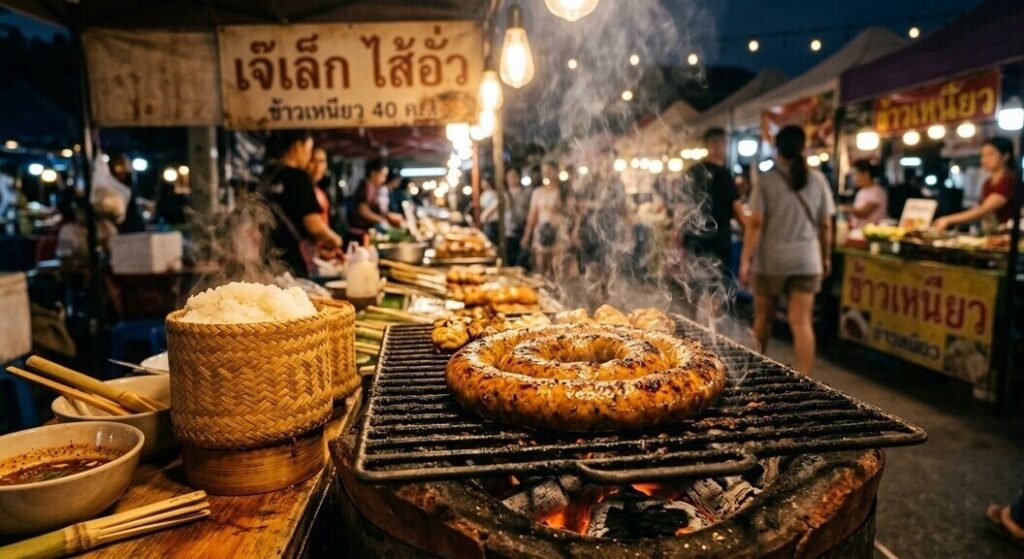
Khao soi is the dish most visitors connect with Chiang Mai. Soft egg noodles sit in a mildly spiced coconut curry broth, with a nest of crispy fried noodles on top for crunch. Its roots go back to the Yunnanese Muslim traders who traveled through the region, which explains the mix of curry, noodles and condiments.
A typical bowl comes with:
- Egg noodles in a turmeric-spiced coconut curry broth
- Chicken or beef, often a whole chicken leg
- Crispy fried noodles on top
- Pickled mustard greens, sliced shallots, lime and roasted chili paste on the side
How to eat it
- Squeeze in the lime.
- Add a little pickled mustard greens and shallots.
- Stir in roasted chili paste a bit at a time if you want more heat.
- Push the crispy noodles into the broth just before eating.
A street-stall bowl usually costs about ฿50–80. Tourist areas and sit-down restaurants charge more. Many of the best khao soi shops open for breakfast and lunch only and close when the pot runs out, so go before mid-afternoon.
More Chiang Mai food to try
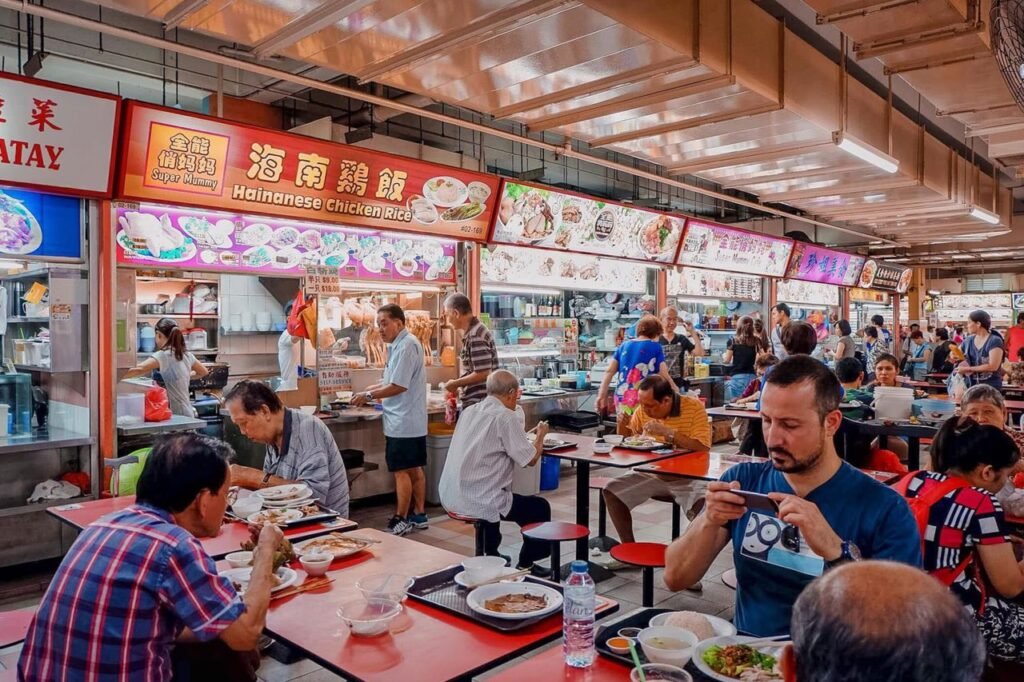
Sai ua
A coiled, charcoal-grilled pork sausage packed with lemongrass, galangal, makrut lime leaf, shallots, garlic and chilies. It’s smoky, herbal and best eaten hot with sticky rice.
Where to try it: Warorot Market, night markets and northern Thai restaurants.
Nam prik noom
A smoky dip of roasted green chilies, garlic and shallots, served with sticky rice, raw or steamed vegetables, boiled egg and crispy pork rinds (kaep moo).
Where to try it: Warorot Market and northern Thai restaurants. Market stalls sell it in small bags to take away.
Nam prik ong
A dip of tomatoes and minced pork with chili. It’s milder and sweeter than nam prik noom, a good first northern dip.
Where to try it: Chiang Mai markets and Lanna-style restaurants.
Gaeng hang lay
A rich pork curry from the Burmese tradition. Unlike most central Thai curries, it has no coconut milk; ginger, tamarind, garlic and spices give it depth.
Where to try it: Northern Thai restaurants and Warorot Market.
Khanom jeen nam ngiao
Fermented rice noodles in a tomato-based broth with pork, pork blood cubes and dried flowers, a dish with Shan (Tai Yai) roots. It’s a traditional breakfast.
Where to try it: Local noodle shops and markets, in the morning.
Khao kha moo
Braised pork leg over rice with pickled greens, chili-garlic vinegar and often a boiled egg. A filling lunch or late-night meal.
Where to try it: Chang Phuak Gate night market, home to a famous braised pork-leg stall.
Khao kan jin
Rice mixed with pork blood and minced pork, seasoned with garlic, wrapped in banana leaves and steamed. It’s earthy and very traditional, worth trying if you like regional food. It’s served with fried garlic, dried chili and fresh cucumber.
Where to try it: Chang Phuak Gate night market and local markets.
Where to eat in Chiang Mai
Warorot Market (Kad Luang)
Chiang Mai’s historic covered market, near the Ping River, and one of the best places to try sai ua, nam prik, crispy pork and northern sweets. Go in the morning for the widest choice.
Best for: sai ua, nam prik and market snacks.
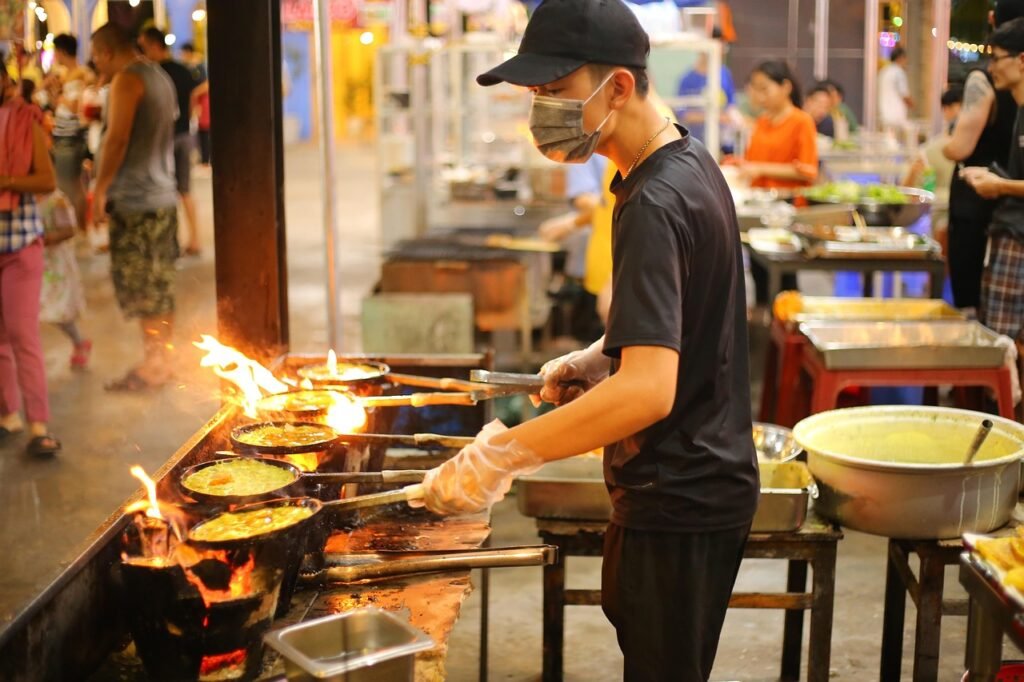
Chang Phuak Gate night market
An evening street-food strip outside the Old City’s north gate, best known for braised pork leg over rice. It’s a good place for khao kha moo, khao kan jin and other local dishes.
Best time to go: from about 5 pm.
Sunday Walking Street
Held on Ratchadamnoen Road in the Old City from late afternoon, it’s an easy way to try lots of northern snacks in one place. It’s more touristy than a local market, but convenient if you’re exploring the Old City. On Saturdays, Wualai Road south of the Old City has a similar market.
Best for: snacking your way through several dishes in one evening.
Northern Thai restaurants
For a sit-down meal, choose a restaurant that serves khao soi, sai ua, nam prik and gaeng hang lay together. It’s the easiest way to try several northern dishes in one sitting, especially with a group.
Best for: families and first-timers.
How to order
- First khao soi: order khao soi gai (chicken).
- Less heat: ask for mai pet (not spicy) or pet nit noi (a little spicy).
- Sticky rice: say khao niao if you want sticky rather than jasmine rice.
- A market meal: sai ua with sticky rice and a chili dip.
- A bigger meal: add gaeng hang lay or khanom jeen nam ngiao to your khao soi.
When to visit for food
November to February is the cool, dry season and the most comfortable time to walk the markets. From around February to April, smoke from seasonal burning can bring poor air quality, so check conditions before you book. The rainy season, roughly June to October, is quieter and greener, and the markets keep running.
Frequently asked questions
What food is Chiang Mai famous for?
Khao soi, the coconut curry noodle soup, is Chiang Mai’s signature dish. The city is also known for sai ua sausage, nam prik noom chili dip and gaeng hang lay pork curry.
How much does food cost in Chiang Mai?
Street food is cheap: a bowl of khao soi is about ฿50–80, and a market meal of sausage, sticky rice and a dip costs about the same. Sit-down restaurants usually charge ฿150–350 per person.
Is Chiang Mai food spicy?
Some of it is. Khao soi is usually only mildly spicy, and you add chili paste yourself. Nam prik noom and some curries are much hotter, so say mai pet if you’re unsure.
Is Chiang Mai food different from Bangkok food?
Yes. Northern food uses less coconut milk and sugar, more herbs and grilled meat, and sticky rice instead of jasmine rice. Dishes like khao soi and sai ua are much better in the north.
More Thailand guides
- What to Eat in Thailand: 25 dishes by region and where to try them.
- What to Eat in Bangkok: the dishes, stalls and food areas to know on a first trip.
- Where to Stay in Bangkok for Food Lovers: the best neighborhoods for eating, compared.
- Our pad kra pao recipe: cook a Thai everyday classic at home.
- When to visit for food

Leave a Reply